
Partnerships and due diligence
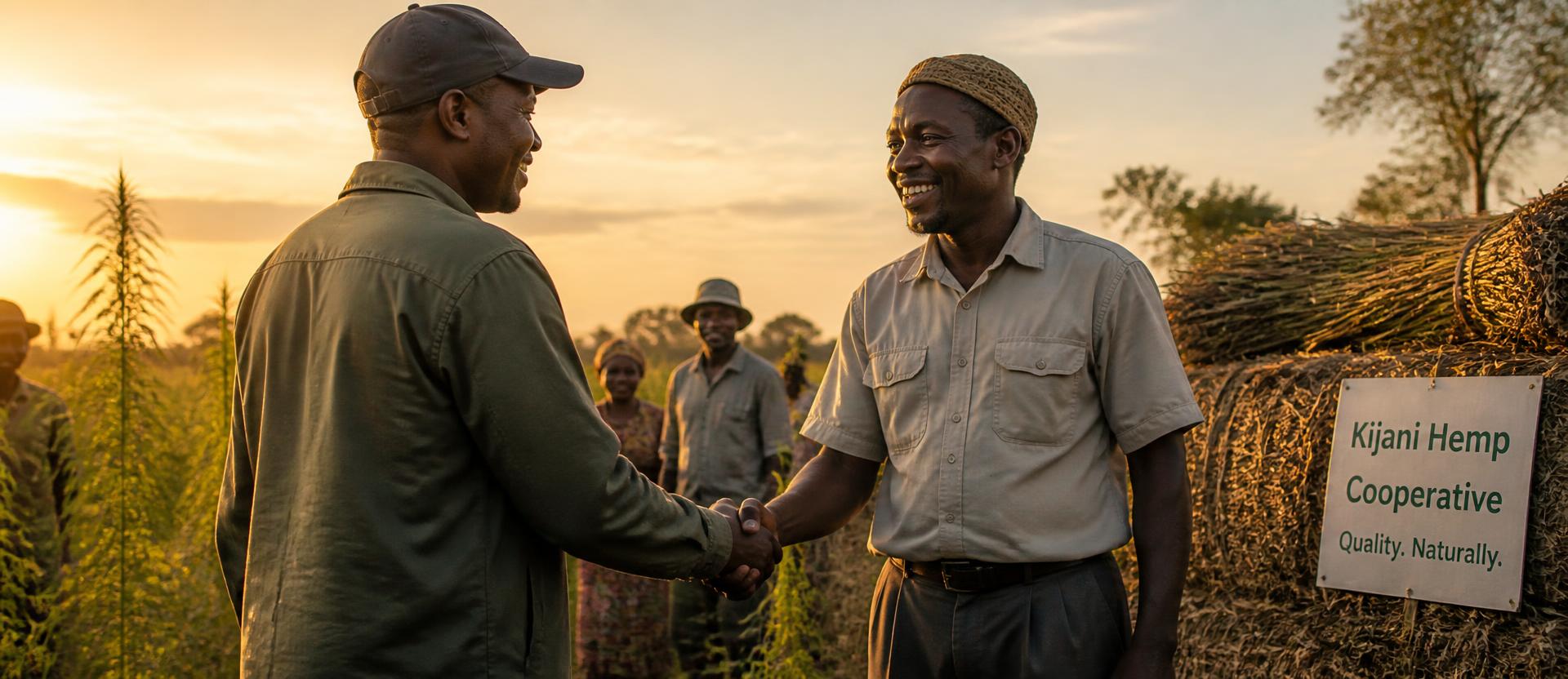
Shared ownership with the farmers who supply us
Every processing site is a 50/50 special purpose vehicle with a local partner. They contribute biomass access, land and labour; we contribute the kit, the process, the offtake and the market. Six simple unit operations turn stalk and pine offcuts into cellulose powder, and every claim on this page has a contract, an owner and an audit entry behind it.
Live and pipeline SPVs
Verified0
Each 50/50, each with its own board and cap table
Combined capex
Estimated£0
Balers, decorticators, tanks, dryers and mills across all sites
Collection fee income
Estimated£0
Against £0 of operating cost, fees fund the plants
Local jobs created
Estimated0
0 t of cellulose powder a year
Where we can partner
Biomass volume, disposal cost, licensing and logistics readiness
No records
The screen is deliberately simple: a large stalk-waste volume that is currently burned, a disposal cost high enough that a quarter of it still saves the grower real money, a legal route to handle industrial hemp or cannabis residue, and a port or rail link that makes powder, not bulky stalk, the thing that travels. Cellulose powder is roughly a fifth of the shipped volume of raw biomass, which is why processing happens in-country rather than in Manchester.
SPV structure and unit economics
Select a vehicle to see its cap table and payback
No records
Six unit operations
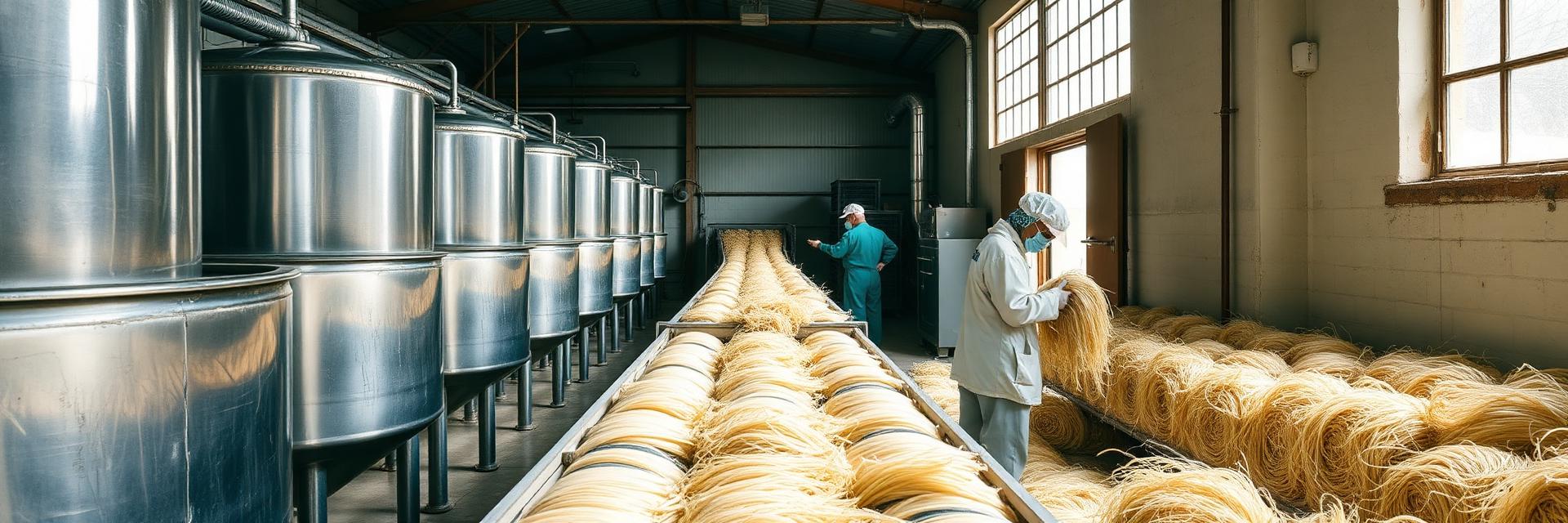
Bale and chip, decorticate, steep in sodium hydroxide, wash to neutral, dry, mill to powder. Nothing here is exotic, it is laundry chemistry at industrial scale, run safely with training and PPE.
Processing chain, step by step
What happens, with what kit, by how many people, at what cost per tonne
No records
Total kit cost, one line
Estimated£0
Everything from baler to pellet mill for a single processing line
Net cost per tonne processed
Estimated£0.00
Collection fee income is a negative line at the top of this chain
Chain steps
Verified0
Pine and hemp share the same steps after decortication
- 1
Collect and bale
Farm-gate collection on a schedule; grower pays a quarter of their disposal cost.
Fee income, not a purchase
- 2
Decorticate
Separate bast fibre from woody shive; both streams are used.
- 3
Caustic steep
Sodium hydroxide solution breaks down lignin and pectin, freeing cellulose.
- 4
Wash and neutralise
Rinse to neutral pH; liquor is captured, neutralised and reused where permitted.
- 5
Dry and mill
Belt dry, then hammer-mill to a fine cellulose powder that ships at a fifth the volume.
- 6
Compound and mould
Powder loaded into recycled polymer, pelletised, then injection-moulded into bench sides and end frames.
Due diligence and compliance register
Contracts, impact reporting fields and evidence, per partner
Register items
Verified0
Legal, ethical, environmental, commercial and reporting checks
Complete or verified
Verified0 of 0
Remaining items carry an owner and a due date
Audit entries
Verified0
Dated, attributed and evidenced, nothing is claimed without a record
No records
Audit trail
Every verification, inspection and payment logged
No records
The point of this register is that a grower, a council, an auditor or an investor can ask the same question and get the same answer: who collected what, on what date, at what price, under which contract, and where the resulting money went. Impact reporting fields are part of the supply contract rather than a voluntary survey, tonnes collected, jobs at the processing site, disposal cost avoided and pledge funds received are all reported per season and reconciled annually against the audited accounts.