
Circular materials
We are paid to collect the waste that becomes the bench
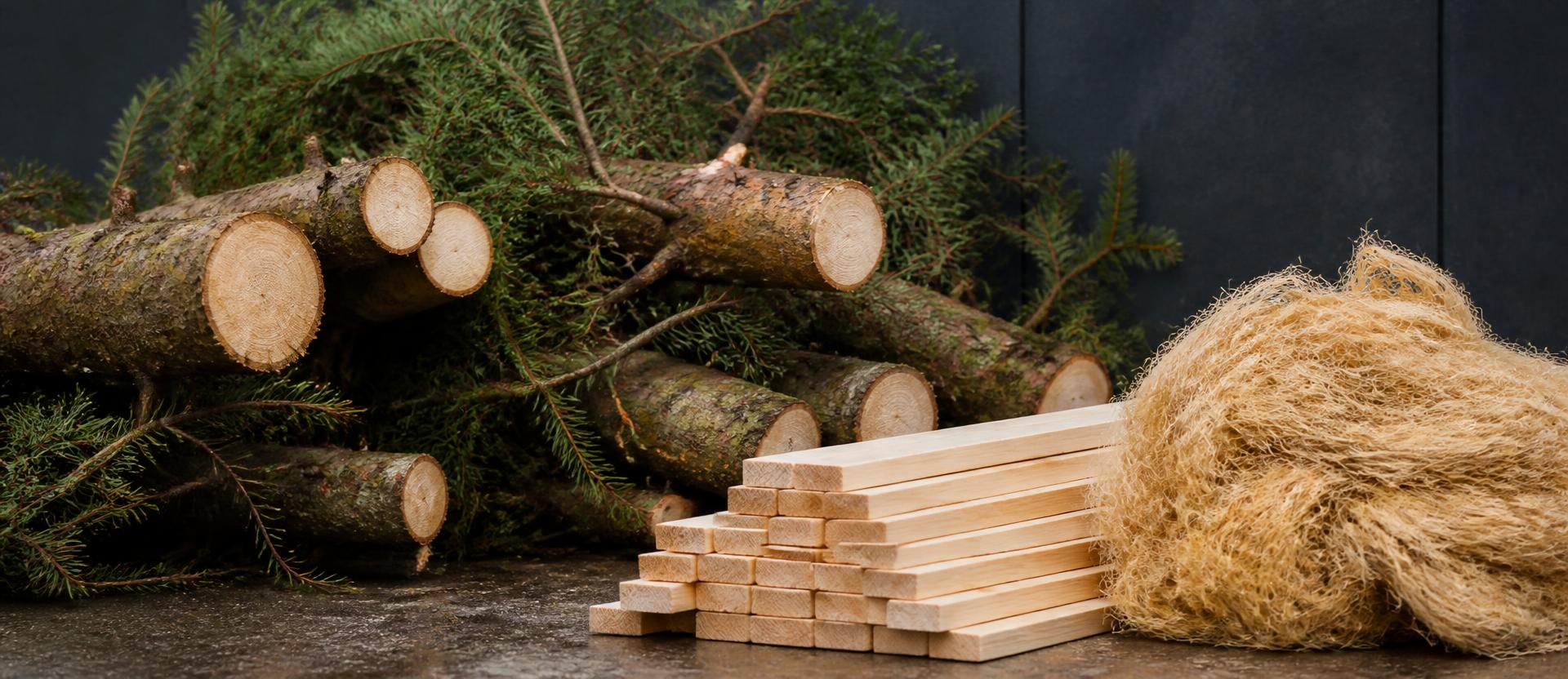
Discarded Christmas tree poles become the slats you touch and the pine cellulose in the mouldings. Cannabis and hemp stalk that growers currently pay to burn becomes hemp cellulose and hemp plastic. Growers pay us a quarter of their disposal bill, that fee comes off our conversion cost, and 10% of profit goes back to their districts.
Christmas trees converted
Estimated25,200
14 trees per bench · 60.5 t of pole timber
Grower biomass collected
Estimated138 t
Yields 46.8 t of cellulose at 34% yield
Collection fees we earn
Estimated£1,376
£10/t charged against £40/t disposal, 75% cheaper for the grower
Community pledge pot
Estimated£124,173
10% of modelled net profit, audited
Supply tracker: what gets converted, what would otherwise be wasted
Every input stream, its yield, the fee it earns and what it becomes
No records
Fee income per bench
Estimated£0.00
Paid to us for collecting material others treat as waste
Conversion cost per bench
Estimated£0.00
Drying, machining, pulping, compounding and moulding
Net feedstock cost per bench
Estimated£0.00
What the structural material actually costs us once fees are netted off
Share of UK waste tree pile used
Estimated0.79%
Against ~3.2m trees a year with no recycling route
- 1
January kerbside collection
Council partnerships and drop-off points; limbs chipped on site for mulch.
£108/t gate fee avoided by the council
- 2
Limb and cross-cut
Only the straight centre pole is kept; tops and branches go to cellulose or mulch.
- 3
Kiln to 12% MC
January intake stored and dried in batches, machined through the year.
- 4
Four-side plane and finger-joint
Knots removed, short lengths joined into continuous slat stock.
- 5
Laminate and press
Slat blanks pressed for seats and table tops, the surfaces people touch.
- 6
Offcuts to pine cellulose
Sawdust and offcut fibre pulped, washed, dried and milled into powder for pellets.
No records
Collection and drying cost
Estimated£34,020
£1.35 per tree at your selected volume
Council gate fees avoided
Estimated£6,532
Disposal cost partner councils no longer pay
CO₂e avoided
Estimated158.4 t
88 kg per bench versus imported hardwood equivalents
Simple kit, local hands
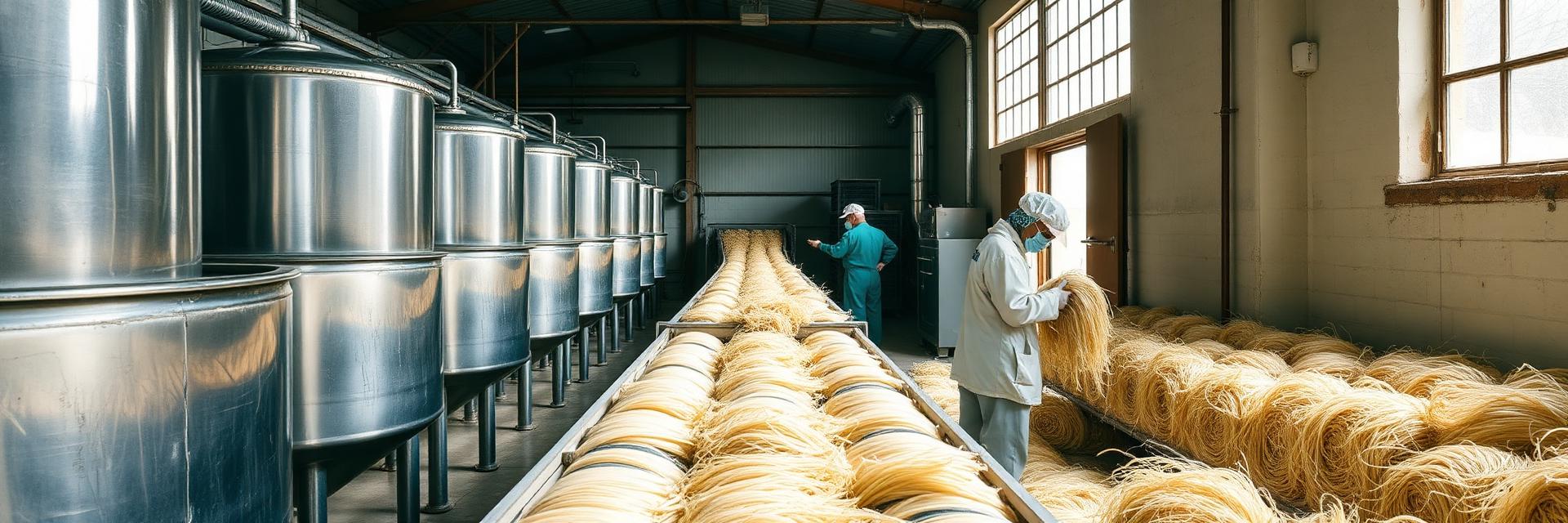
Bale, decorticate, steep in caustic soda, wash, dry, mill. Six unit operations, no exotic equipment, done in-country by a 50/50 SPV with the growers who supply it.
Grower biomass: they pay us a quarter of what disposal costs them
Fee income, a certificate of destination, and 10% back to the district
No records
Partner supply pipeline
Assumed0 t/yr
Signed and in-pipeline grower volume across all regions
Fee income at full pipeline
Estimated£0
Revenue before a single bench is sold
Saved for growers
Estimated£4,129
At your selected build volume
Net composite spend
Estimated£85,204
£86,580 of pellets less £1,376 of collection fees
A grower today pays roughly £40 a tonne to make stalk waste disappear, haulage, burning, landfill and the paperwork that proves it. We arrive with a scheduled collection at 25% of that, about £10 a tonne, and issue a certificate of destination they can show a regulator. They keep 75% of the cost, we book the fee as income, and that fee is netted straight off our conversion cost, which is why the structural material on this bench is cheaper than virgin polypropylene even before scale. The Black Farmers Association network is the anchor relationship: aggregated co-op volume, a grading standard designed with them, and shared balers and decorticators so primary processing value stays on the farm.
See the SPV structures, candidate countries and due diligence register →
The Africa fibre chain, partner by partner and stage by stage →
What happens to the fraction that cannot make a deck: the biochar JV →
Pine and hemp plastics
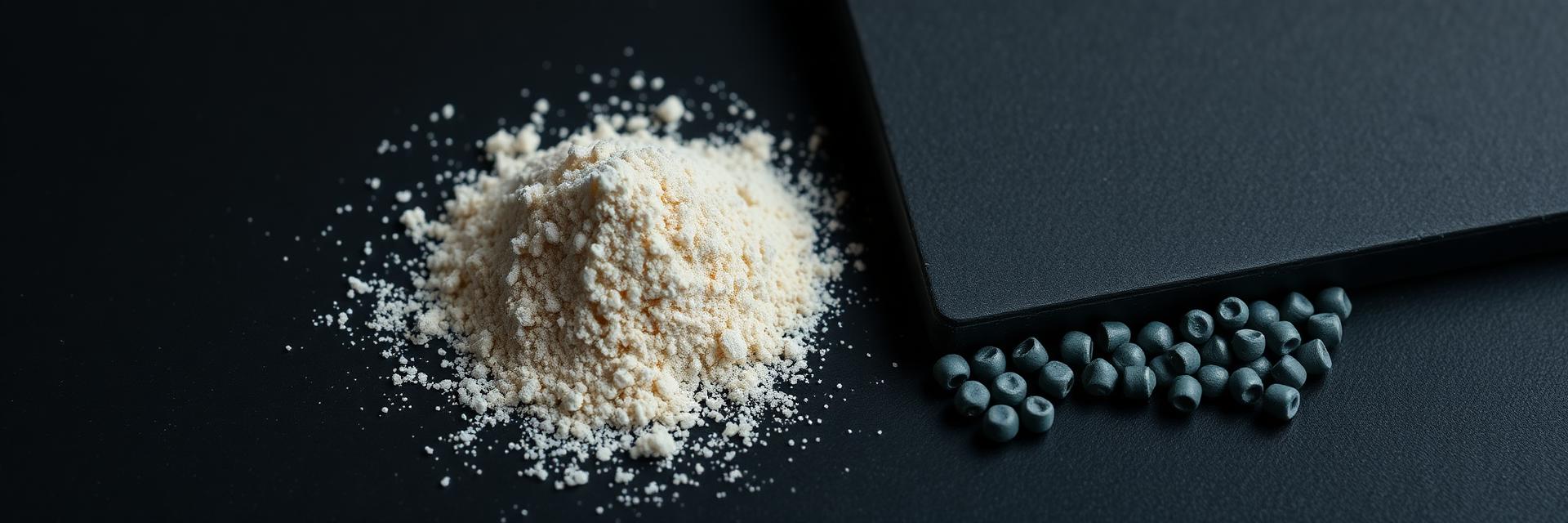
Cellulose powder loaded into recycled polymer makes a pellet that moulds cleanly, holds structure and sits near ambient in full sun, unlike the dark steel it replaces.
Material specification
Why the surfaces you touch never get hot
No records
Hemp and pine composite and laminated fir sit near ambient in full sun, around 31-34°C where dark powder-coated steel reaches 58°C. Steel is used only where nobody puts a hand: legs, spars and hidden structure, always covered at contact points. That is a comfort decision and a safety one, and it is why the moulded parts are cellulose-loaded rather than a filled polypropylene.
Charity allocation and social impact
10% of audited net profit, split by region and cause, with outcomes labelled
No records
Pledged per bench
Estimated£69
Community funding created by each bench sold
Grower-district share
Verified0%
Written into the pledge policy, not discretionary
Total community value
Estimated£134,834
Pledge plus grower disposal savings plus council gate fees avoided
Reporting cadence
VerifiedAnnual, audited
Restricted reserve, statutory accounts, named partners
No records
The pledge is written as 10% of net profit before distributions, calculated on the audited statutory accounts, held in a restricted reserve and paid against named partners in the districts that supply our biomass. Outcome rates above are unit costs from published programme data where a source exists and clearly marked Estimated where they are ours. Charity nomination sits with the growers' own committees; our role is the money, the reporting and the certificate trail.
Specified materials parameters
Supply route, delivered price and conversion yield behind the circular materials model.
- Value in use
- 18.50 GBP per 300 to 400 W module delivered, 3,000 modules per year committed capacity, two decommissioning routes plus one recycler as overflow
- Method
- Priced from UK decommissioning gate-fee economics: contractors currently pay to dispose, so a collected module at 18.50 GBP sits below new-module cost and above their disposal saving.
- If it moves
- A 5 GBP per module rise adds 15 GBP to unit cost and 1.4 points of gross margin at the current price.
- Value in use
- 1 tonne baled biomass yields 0.41 tonnes of compounded pellet at 62 GBP per tonne conversion cost
- Method
- Mass balance across the processing chain already modelled on /materials: 18 percent moisture loss, 27 percent non-fibre reject, 14 percent process loss, then 30 percent polymer blend on the fibre fraction.
- If it moves
- A five point yield miss raises pellet cost per bench by about 7 GBP and is absorbed by the biomass gate fee income.